Helping Children Build
Healthy Eating Skills
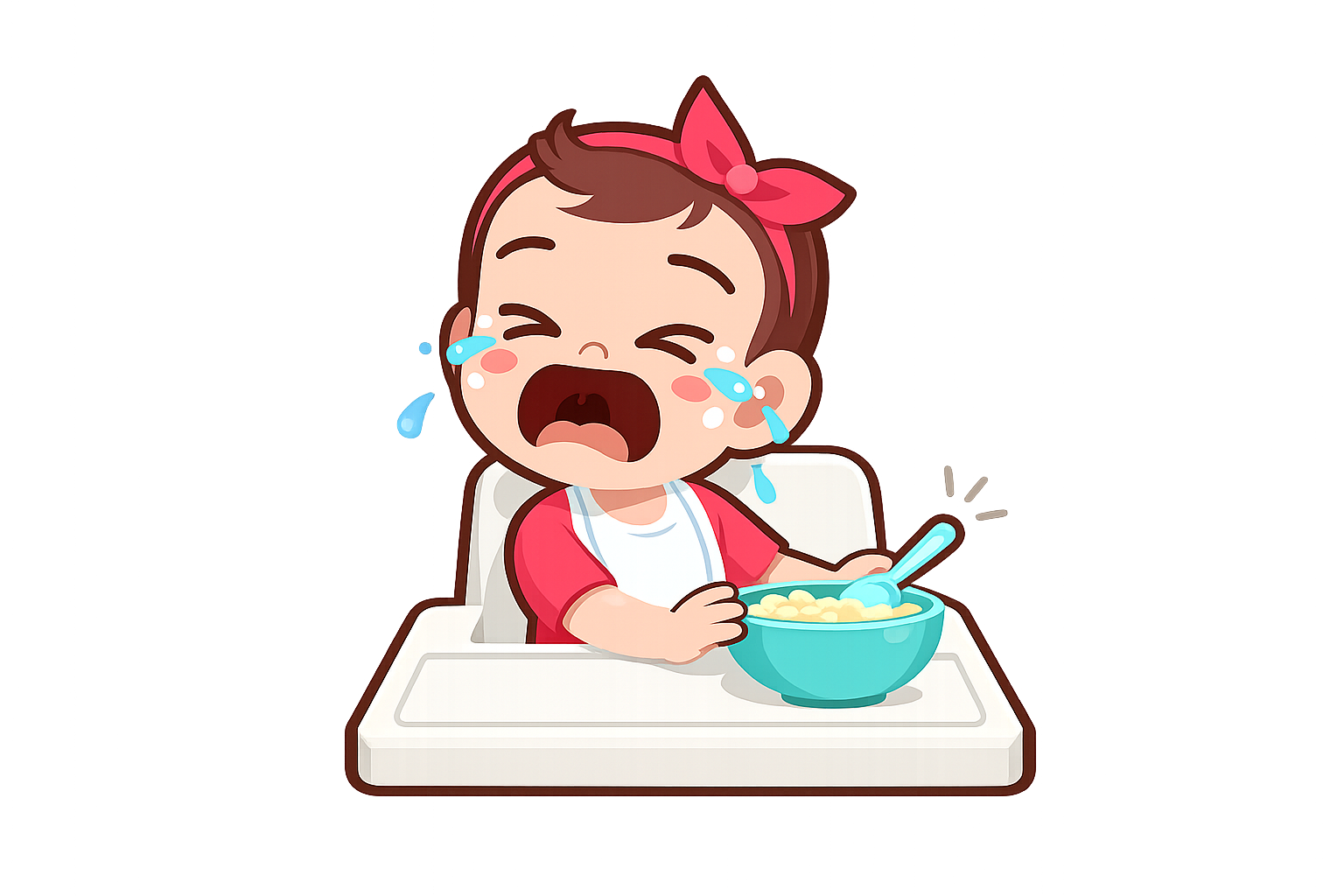
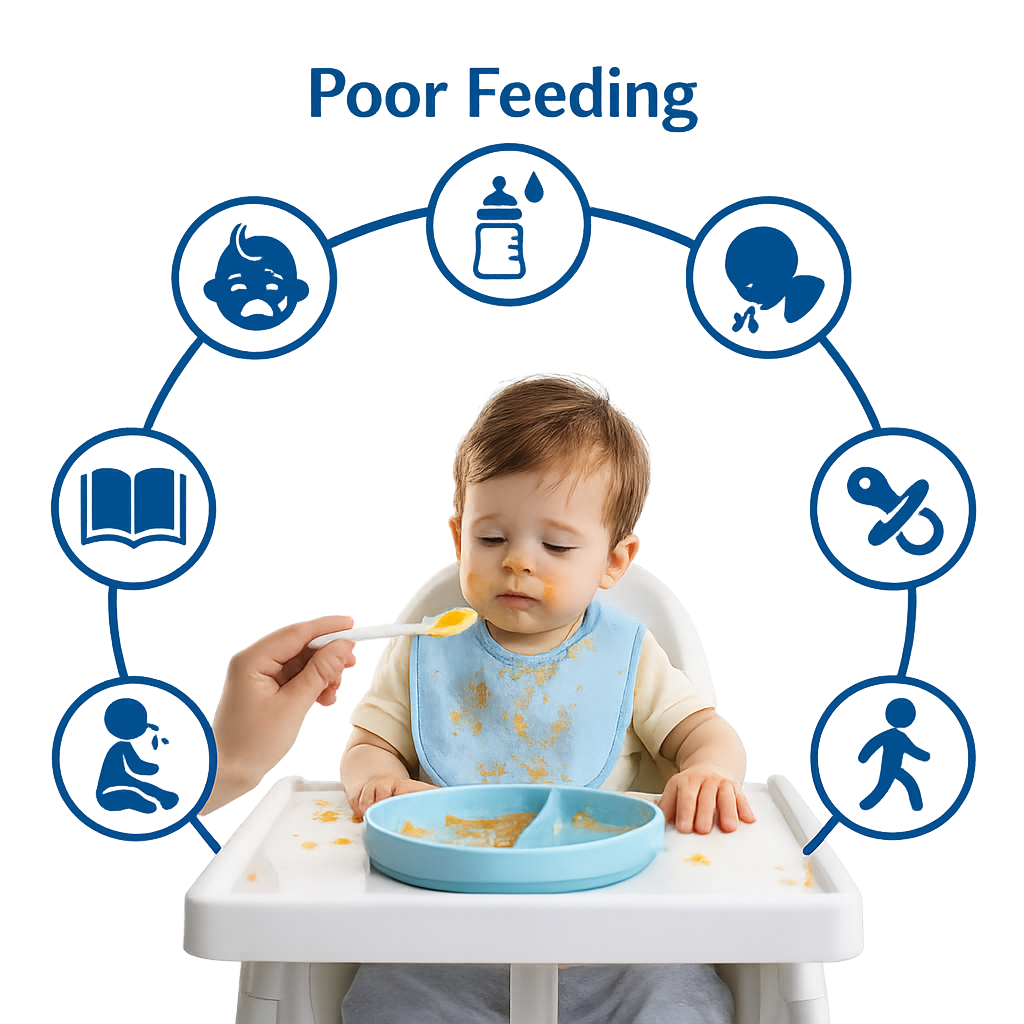
Poor feeding can make it difficult for children to eat, chew, swallow, or accept a variety of foods. Early assessment and feeding therapy help children develop safe eating habits, improve nutrition, and enjoy mealtimes with confidence.
Helping Children Build Healthy Eating Skills
Poor feeding can make it difficult for children to eat, chew, swallow, or accept a variety of foods. Early assessment and feeding therapy help children develop safe eating habits, improve nutrition, and enjoy mealtimes with confidence.

What is Poor Feeding?
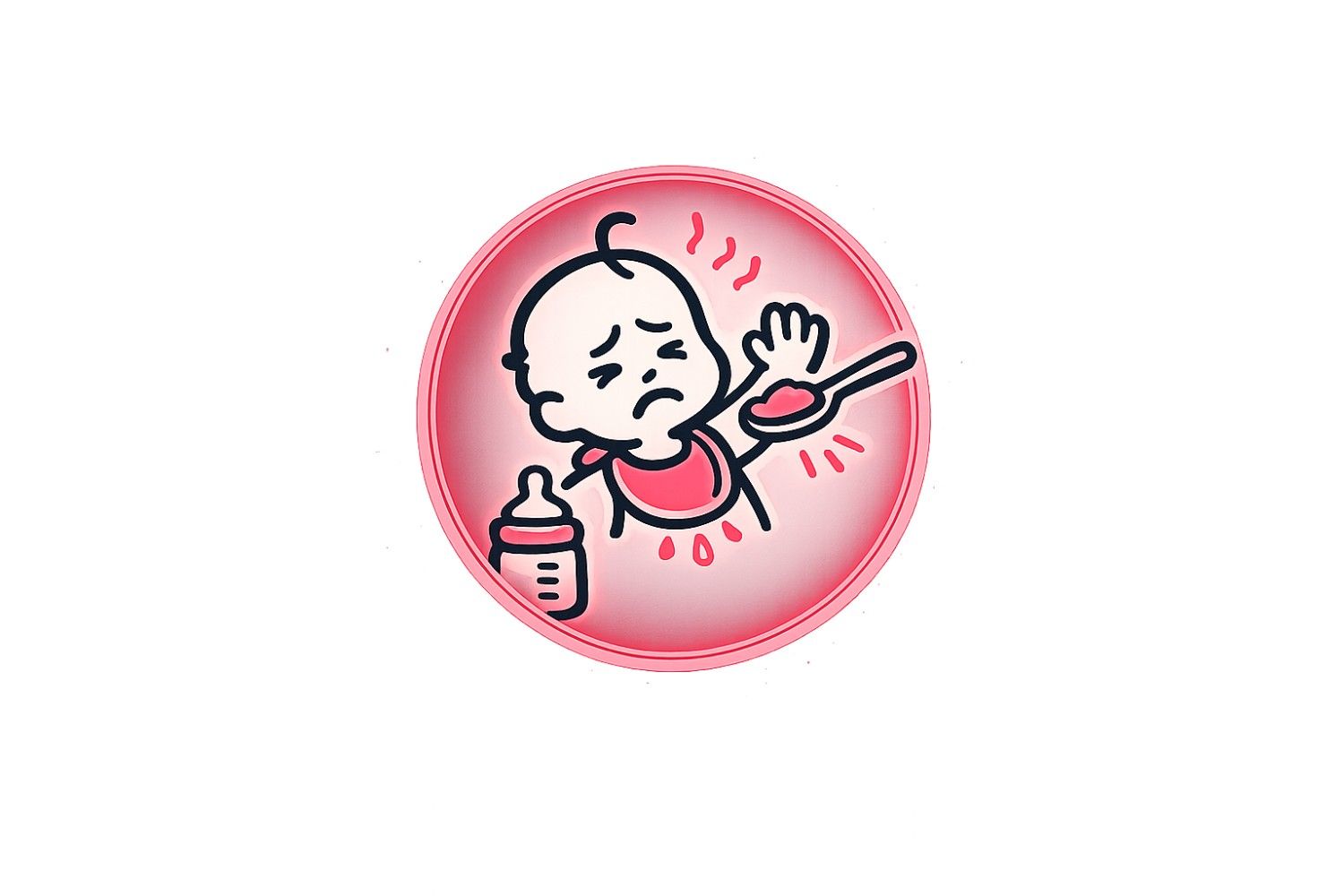
Poor feeding refers to ongoing difficulties with eating, drinking, chewing, swallowing, or accepting different food textures. These challenges can affect a child's growth, nutrition, and overall development if left untreated.
Common Signs of Poor Feeding

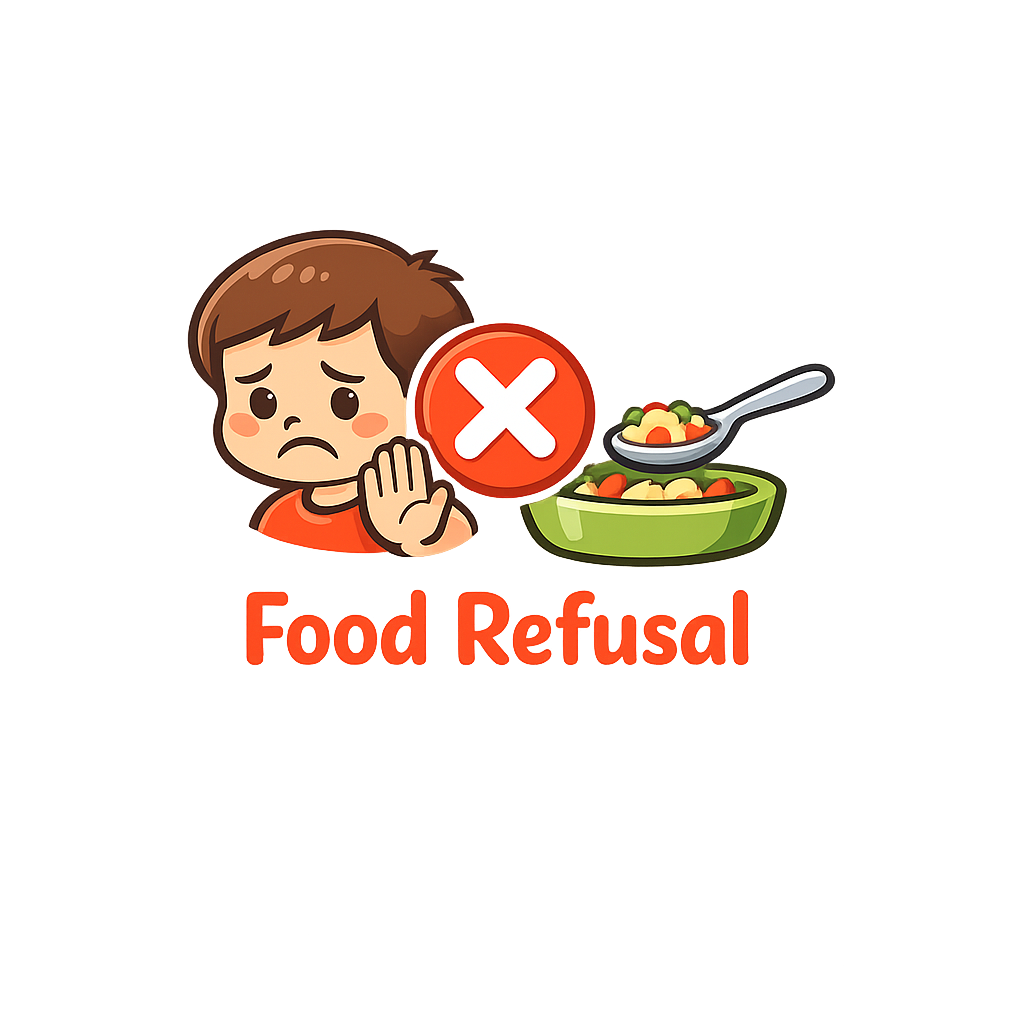
Food Refusal

Picky Eating

Eating Difficulty

Limited Foods

Texture Issues
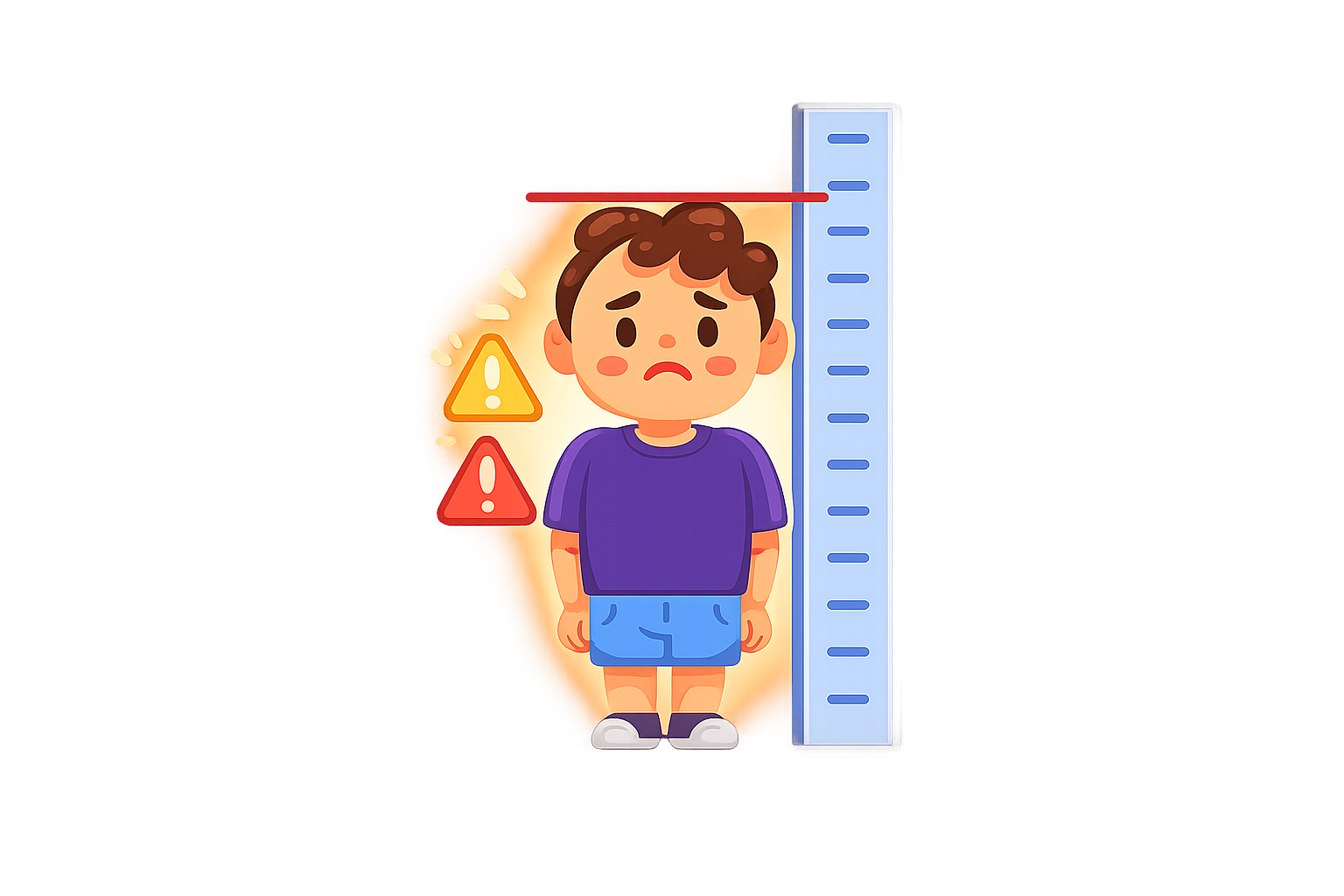
Slow Growth
How We Help

Feeding Assessment
Checks your child's feeding needs.

Oral Motor Therapy
Improves chewing and swallowing.
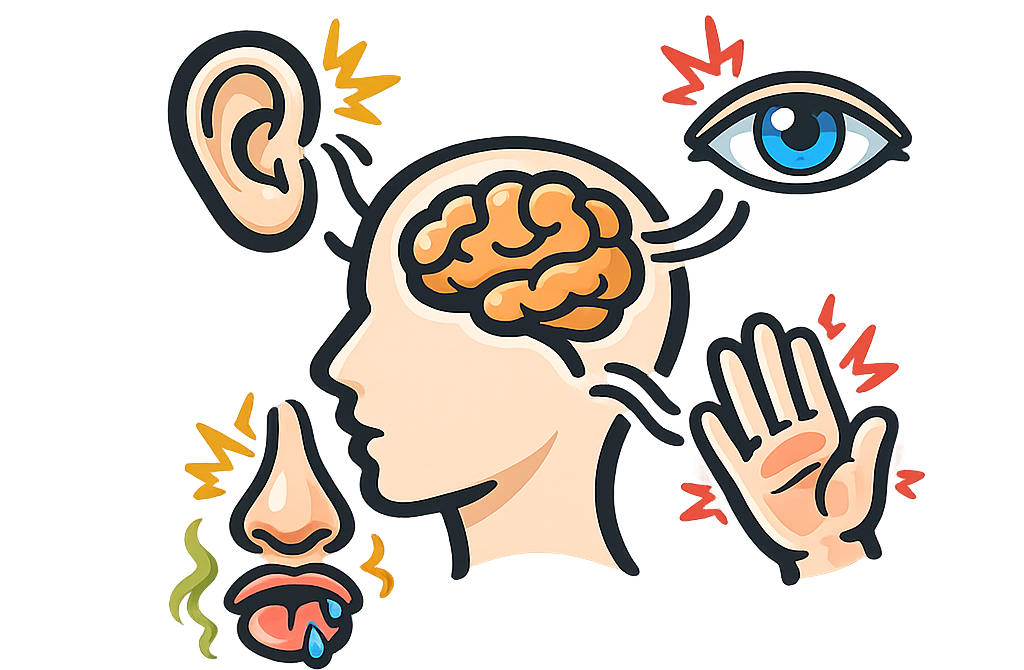
Sensory Feeding
Helps children accept different foods.

Nutrition Guidance
Supports healthy eating habits.

Parent Support
Helps parents during mealtimes.

Progress Tracking
Monitors your child's improvement.
Why Choose Bachpan Child Development Centre?
- Expert Specialists
- Personalized Therapy Plans
- Child-Friendly Environment
- Evidence-Based Therapy
- Parent-Focused Guidance
- Regular Progress Reviews
Frequently Ask Questions (FAQs)
1. What are feeding difficulties?
Feeding difficulties occur when a child has trouble eating, chewing, swallowing, or accepting different foods, which may affect growth and nutrition.
2. What are the common signs of poor feeding?
Common signs include food refusal, picky eating, gagging or choking, slow eating, difficulty chewing, and poor weight gain.
3. What causes poor feeding?
Poor feeding can be caused by oral motor difficulties, sensory sensitivities, medical conditions, developmental delays, or behavioural factors.
4. Can feeding difficulties be treated?
Yes. Early intervention through feeding assessment, oral motor therapy, sensory feeding therapy, and parent guidance can help improve feeding skills.
5. When should I seek professional help?
If your child frequently refuses food, has difficulty chewing or swallowing, gags during meals, or is not gaining weight appropriately, consult a feeding specialist for an assessment.